
Venture Building Questions Answered
We get asked a lot of the same things. Most people want to know what makes our approach different and how we actually structure partnerships. Here's what comes up most often in our conversations with founders across Australia.

Real Questions from Real Founders
Building ventures isn't straightforward. There's no template that works every time, and honestly, anyone who tells you otherwise probably hasn't built enough companies.
We've compiled questions from actual conversations we've had over the past couple of years. Some came from coffee meetings in Perth, others from lengthy email exchanges with founders in Sydney and Melbourne.
If you don't see your question here, that's fine. Every situation is different. Reach out directly and we'll have a proper conversation about what you're building.
Common Questions About Our Approach
What exactly does venture building mean at quoryplex?
We work with founders to build companies from the ground up. That means everything from validating initial ideas through to structuring operations and securing early revenue. We're not consultants who hand you a report and leave. We're in it with you, making decisions together and sharing the outcomes.
How long does a typical venture building engagement last?
Most partnerships run between 18 and 36 months. The first six months usually focus on market validation and product development. After that, we're scaling operations and testing business models. Some ventures move faster, others need more time. We adjust based on what the market tells us.
Do you take equity in the ventures you build?
Yes, typically. Our structure varies depending on what stage you're at and what resources you need. We've done everything from minority stakes with advisory roles to more substantial partnerships where we're deeply involved in daily operations. It's always negotiated based on what makes sense for your specific situation.
What industries do you focus on?
We don't limit ourselves to specific sectors, but we're particularly active in technology-enabled businesses that solve operational challenges. Recently we've worked with teams in logistics, professional services, and B2B platforms. If your venture has clear unit economics and a defensible position, we're interested regardless of industry.
What resources do you bring to a partnership?
Financial backing is part of it, but not the whole story. We provide operational expertise, network connections in the Australian market, and hands-on support building systems that scale. We've been through product launches, fundraising rounds, and operational pivots. That experience helps avoid common mistakes.
What stage should my venture be at before reaching out?
We work with ventures at different stages. Some founders come to us with just an idea and deep quoryplex expertise. Others have early traction but need help structuring for growth. What matters more than stage is whether you're coachable, understand your market, and are ready for a genuine partnership rather than just looking for capital.
How do you evaluate which ventures to work with?
We look at the founding team first, then market opportunity, then business model clarity. Can you articulate why customers will pay for this? Do you have relevant experience? Are you realistic about challenges ahead? We pass on far more opportunities than we accept, usually because the timing isn't right or the founders aren't genuinely committed.
What happens if the venture doesn't work out?
Not every venture succeeds. That's just reality in early-stage building. When something isn't working, we have honest conversations early rather than prolonging the inevitable. Sometimes that means pivoting the model, sometimes it means winding down responsibly. We document lessons learned and maintain relationships regardless of outcome.
Who You'll Be Working With
We're not a large organization with layers of hierarchy. When you work with quoryplex, you're working directly with people who've built businesses before and understand what you're going through.
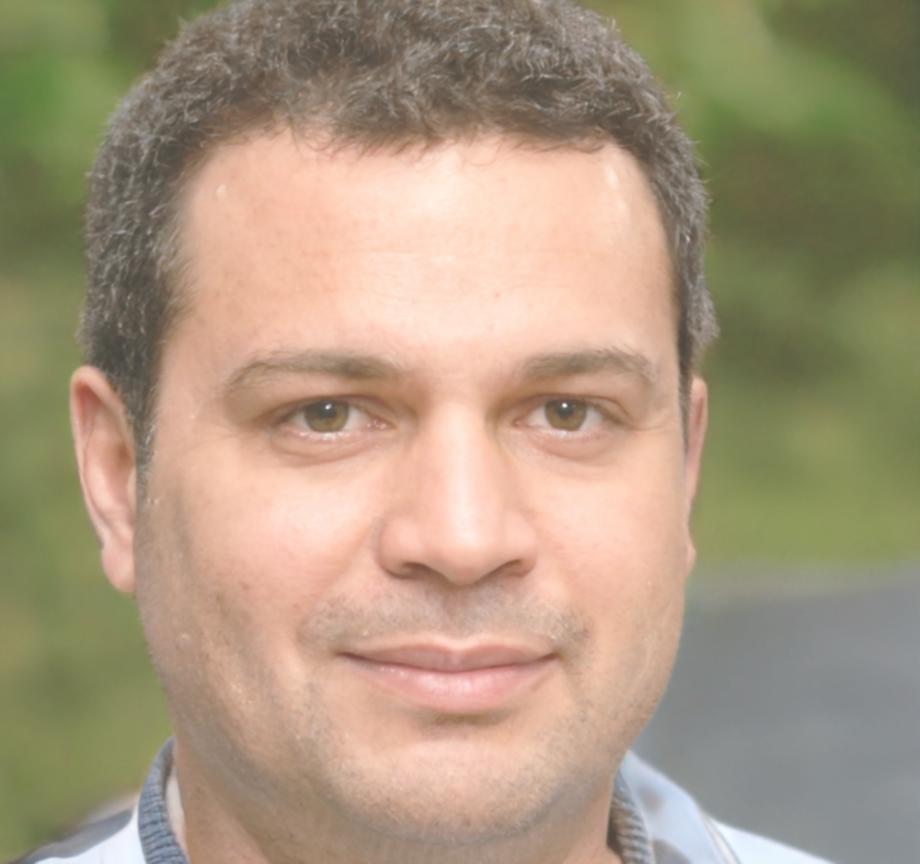
Stellan Bergquist
Venture Partner
Spent twelve years building enterprise software companies. Now helps founders avoid the mistakes he made scaling too fast without proper foundations.

Our team works directly with founders throughout the entire venture building process. You won't be handed off to junior staff or external contractors. The people you meet in initial conversations are the same people you'll be working with daily.
We keep our portfolio deliberately small so we can give each venture the attention it deserves. Quality matters more than quantity when you're building something that needs to last.

Ailsa Drummond
Operations Lead
Focused on building operational systems that actually work in practice, not just on paper. Former COO of a logistics startup that scaled across three states.
How to Start a Conversation
If you're considering working with us, here's what typically happens. This isn't a rigid process, but it gives you an idea of how things usually unfold.
Initial Contact and Context
Send us an email explaining what you're building and why. We read every message personally. If there's potential alignment, we'll schedule a call within a week. Be specific about what stage you're at and what kind of partnership you're looking for.
Discovery Conversations
We'll have several detailed discussions about your market, business model, and vision. This isn't an interrogation. We're trying to understand if we can genuinely add value. You should be evaluating whether we're the right partners for you too. This usually takes three to four weeks of back-and-forth conversations.
Proposal and Structure
If we decide to move forward, we'll draft a proposal outlining partnership structure, resource commitment, and expected milestones. Everything is negotiable at this stage. We want a deal that works for both sides, not just legally but practically. Most founders spend two to three weeks reviewing and negotiating terms.
Building Together
Once agreements are signed, we start working together immediately. No lengthy onboarding process or bureaucracy. We establish regular check-ins, define immediate priorities, and begin executing. The real partnership starts here, and that's when you'll see what we actually bring to the table.